нкдр 🇷🇺
в тд завезли авы или я только щас заметил?
Sehio
Да
Anonymous
Сколько часов должно пройти чтобы я с нового устройства завершил все сеансы
Sehio
Неделя минимум это точно
Anonymous
24
Много
Groosha
Страдай
нкдр 🇷🇺
🐈
нкдр 🇷🇺
Нахуй ваши персики, го ходячего кота
Artur
🍑
Anonymous
Страдай
А если у меня телефон украдут и мне надо выход сделать?
Anonymous
Имей вторую сессию
Не имею такой возможности.
Akhmadbek Ergashev ☕️
Anonymous
вебка
У меня нет второго устройства
Groosha
Страдай
Akhmadbek Ergashev ☕️
У меня нет второго устройства
https://t.me/tgchat/321912 а вообще вебка это в браузере, можешь хоть на рабочем ПК открыть сессию
Anonymous
Это должно было рассчитано быть. Если телефон украдут то пипец всему облаку. Пользы от этой фичи вообще нет
Anonymous
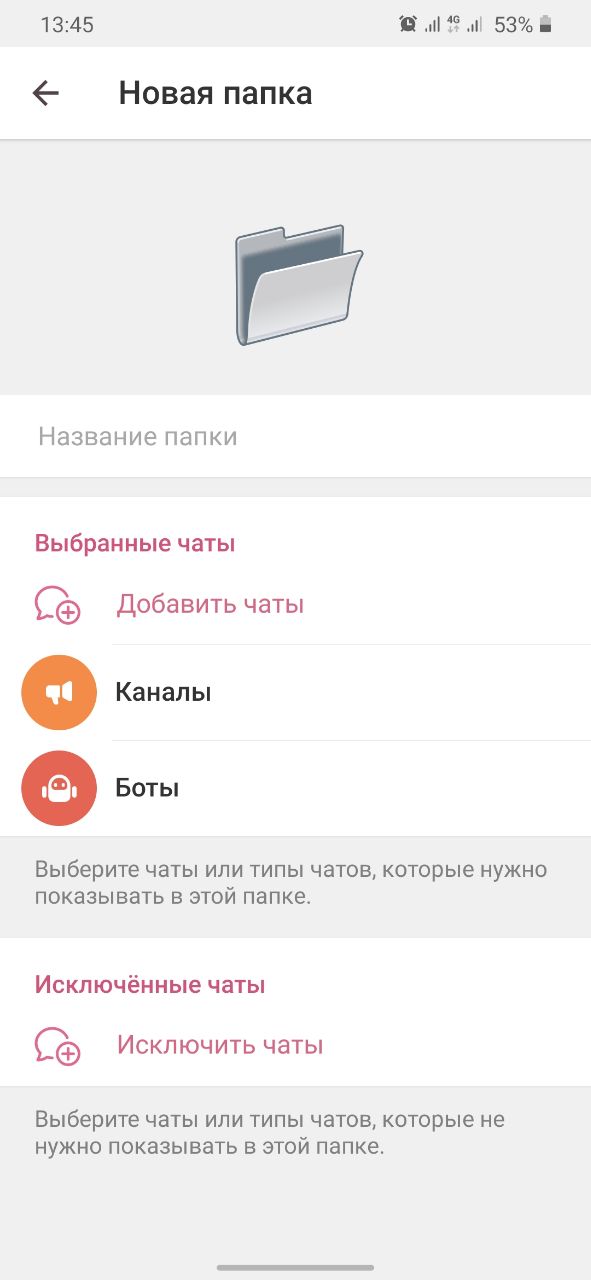
Почему нет кнопки сохранить? Хочу вкладки добавить
You
А если у меня телефон украдут и мне надо выход сделать?
У тебя вообще электроники нет кроме одного телефона?

Сергей
Я даже с читалки в телеграм заходил
Сергей
Есть но туда нельзя скачать тг
Веб-версия, тебе говорят
You
Почему нельзя?
Anonymous
Я говорю только с одного места могу зайти
You
А в гугл аккаунт можешь где-нибудь кроме телефона зайти?
Anonymous
А в гугл аккаунт можешь где-нибудь кроме телефона зайти?
Еще раз говорю я смогу зайти но надо 24 часа ждать чтобы сеансы завершить, за это время облаку пипец
You
Я про гугл аккаунт
Anonymous
Я про гугл аккаунт
Я про тг говорю. В гугл аккаунт могу со своего устройства заходить и с чужого,, что мне не нужно
You
Вот заходишь в гугл аккаунт, потом находишь там своё украденное устройство и форматируешь его
You
А потом заходи в свой тг акк когда будет возможность
Anonymous
You
Привяжи резервную почту
You
Симку можно перевыпустить
You
Поставь на симку нестандартный пин
Anonymous
А МОЖНО БЫЛО ПРОСТО СДЕЛАТЬ НОРМАЛЬНО В ТЕЛЕГРАМЕ
You
Как?
You
Сейчас абсолютно нормально и безопасно

Antonio
Лол
You
https://t.me/tgchat/321917
Я тебе описал план действий
Dmitry
А если у меня телефон украдут и мне надо выход сделать?
А блокировка экрана на телефоне зачем?
Antonio
Я тебе описал план действий
Дайти другой плаааан!!!
Anonymous
You
Он действующий
😉
В будущем планируется ли загрузит видео на Аве со звуком?
😉
И длительность очень мало
Artur
э
Antonio
Уже представляю порно вместо аватара, ахахах
😉
Зачем
Что в этом плохого ?
😉
Получилось бы как у инста
ᛞᛁᛉᛗᛟᚱᚨᛚ
Получилось бы как у инста
Нахуй не нужно это говно здесь
ᛞᛁᛉᛗᛟᚱᚨᛚ
И так истории хотят сделать
ᛞᛁᛉᛗᛟᚱᚨᛚ
😉
Пуст будет пуст расширяется по возможностями
ᛞᛁᛉᛗᛟᚱᚨᛚ
Нет
Новостная лента, агрегатор всех каналов
Anonymous
Новостная лента, агрегатор всех каналов
Это еще один отдельный канал
Сергей
🏆 The results for Round 1 of the Educational Test Contest are here! Winners of this round will take home €141,400 of the overall €400,000 prize fund. Congratulations to the winners! 🎉🎉 @telegram #contest t.me/contest/190

Aleksei
Новости из параллельной вселенной
Anonymous
Мне нравится один фон телеграма, как его скачать?

Ольга Иванова
Всем привет! Вопрос такой Есть ли бесплатное решение что бы писать в Whats App первым из браузера без добавления контакта с телефона?
Ольга Иванова
Тут чат про тг
Возможно тут есть эксперты по месседжерам
ᛞᛁᛉᛗᛟᚱᚨᛚ
По уровню говна равносильно эксперту по тарелочкам
Anonymous
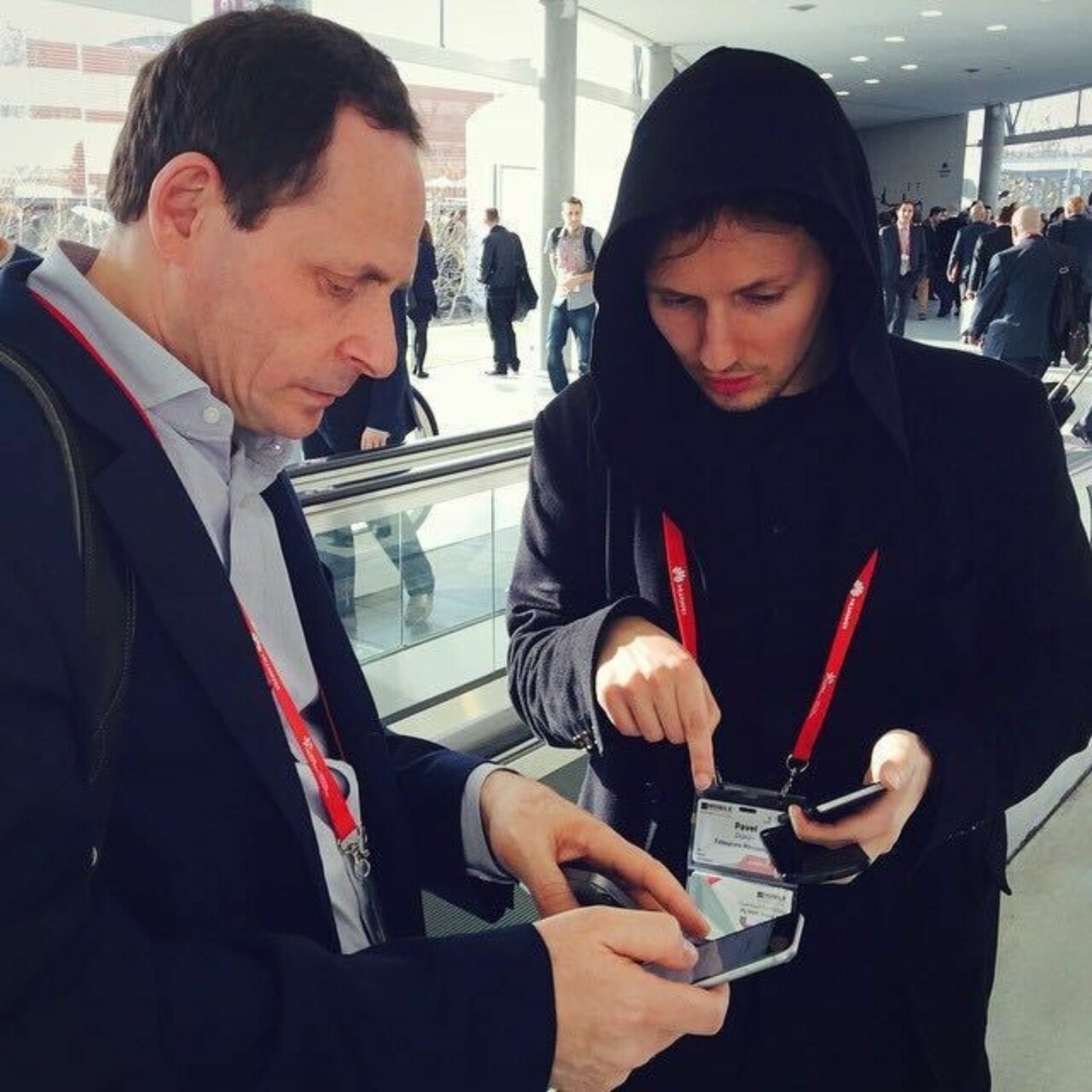
Телеграм продан Маил.ру. Сколько было шума вокруг "самого анонимного мессенджера", но итог один - большая машина американского капитализма закатала в асфальт детище братьев Дуровых. Последняя инсайдерская информация - Телеграм готовится к продаже Mаil.ru. "Телеграм продан. Конец" - вскоре именно это мы будем лицезреть на заголовках крупнейших отечественных и иностранных изданий. Принципиальность бывшего ген. дира "Вконтакте" разбилась о необходимость рассчитаться с инвесторами. Этой и другой инсайдерской информацией владеет Кирилл Промзин - известный российский трейдер и аналитик, который ещё в 2012-м году предсказывал рост биткоина до 20.000$. Канал Кирилла -Profit Geek.
Anonymous
Это правда?
Groosha
https://t.me/tgchat/320005
Groosha
Ну и голимая реклама
Сергей
Можно tl;dr?
Сергей
I can understand why the US gov threatens to ban TikTok unless its US assets are sold to US investors. After all, China bans pretty much every non-Chinese social media app on its territory. Why should the rest of the world, including the US, let a Chinese app have a free ride in their markets? If you want to access the markets of other countries, you should also open your market to them – that would be fair. However, the US move against TikTok is setting a dangerous precedent that may eventually kill the internet as a truly global network (or what is left of it). Before the US-TikTok saga, only autocratic countries like Iran, China or Russia were known for bullying tech companies into selling parts of their businesses to investors with close ties to their governments. It’s not surprising, for example, that Uber had to sell both their Russian and Chinese branches to local players. I am proud that, unlike Uber, we at Telegram have always declined offers to sell our operations in specific countries. A few years ago we received letters from two funds with ties to countries that later attempted to block Telegram. Both letters expressed the same idea: “Telegram is going to get blocked in our country soon, so your only option is to sell us the local part of your business”. My response to those offers has been along the lines of my 2011 middle finger photo: we are not in the business of betraying our users. We are not selling Telegram – neither in part, nor in full. This will always be our position. The problem with the US-TikTok case is that it legitimises an extortion tactic previously employed only by authoritarian regimes. For decades, the US has been perceived as the defender of free trade and free speech. But now that China has started to replace them as the main beneficiary of global trade, the US (or at least the Trump administration) seems to have become less enthusiastic about those values. This is regrettable, because billions of people on this planet still like the idea of an open and interconnected world. Last week, Turkey introduced a bunch of laws limiting social media companies. A few years ago, the US would have had the moral right to criticise such efforts, citing freedom of speech and free trade as ideological foundations for their concerns. Today it’s less clear whether the US still has that right. Authoritarian leaders all over the world are already using the TikTok case as justification in their attempts to carve out a piece of the global internet for themselves. Soon, every big country is likely to use “national security” as a pretext to fracture international tech companies. And ironically, it’s the US companies like Facebook or Google that are likely to lose the most from the fallout.
Сергей
Дуров, как любой политический кухонный аналитик, думает, что структура власти монолитна, особенно в США, где о тиктоке и его запрете говорит только Трамп
Сергей
«Незаконно и неэтично»: Трамп потребовал от покупателя TikTok поделиться с федеральными властями http://amp.gs/FzHy
Groosha
I can understand why the US gov threatens to ban TikTok unless its US assets are sold to US investors. After all, China bans pretty much every non-Chinese social media app on its territory. Why should the rest of the world, including the US, let a Chinese app have a free ride in their markets? If you want to access the markets of other countries, you should also open your market to them – that would be fair. However, the US move against TikTok is setting a dangerous precedent that may eventually kill the internet as a truly global network (or what is left of it). Before the US-TikTok saga, only autocratic countries like Iran, China or Russia were known for bullying tech companies into selling parts of their businesses to investors with close ties to their governments. It’s not surprising, for example, that Uber had to sell both their Russian and Chinese branches to local players. I am proud that, unlike Uber, we at Telegram have always declined offers to sell our operations in specific countries. A few years ago we received letters from two funds with ties to countries that later attempted to block Telegram. Both letters expressed the same idea: “Telegram is going to get blocked in our country soon, so your only option is to sell us the local part of your business”. My response to those offers has been along the lines of my 2011 middle finger photo: we are not in the business of betraying our users. We are not selling Telegram – neither in part, nor in full. This will always be our position. The problem with the US-TikTok case is that it legitimises an extortion tactic previously employed only by authoritarian regimes. For decades, the US has been perceived as the defender of free trade and free speech. But now that China has started to replace them as the main beneficiary of global trade, the US (or at least the Trump administration) seems to have become less enthusiastic about those values. This is regrettable, because billions of people on this planet still like the idea of an open and interconnected world. Last week, Turkey introduced a bunch of laws limiting social media companies. A few years ago, the US would have had the moral right to criticise such efforts, citing freedom of speech and free trade as ideological foundations for their concerns. Today it’s less clear whether the US still has that right. Authoritarian leaders all over the world are already using the TikTok case as justification in their attempts to carve out a piece of the global internet for themselves. Soon, every big country is likely to use “national security” as a pretext to fracture international tech companies. And ironically, it’s the US companies like Facebook or Google that are likely to lose the most from the fallout.
@pub223
ᛞᛁᛉᛗᛟᚱᚨᛚ
I can understand why the US gov threatens to ban TikTok unless its US assets are sold to US investors. After all, China bans pretty much every non-Chinese social media app on its territory. Why should the rest of the world, including the US, let a Chinese app have a free ride in their markets? If you want to access the markets of other countries, you should also open your market to them – that would be fair. However, the US move against TikTok is setting a dangerous precedent that may eventually kill the internet as a truly global network (or what is left of it). Before the US-TikTok saga, only autocratic countries like Iran, China or Russia were known for bullying tech companies into selling parts of their businesses to investors with close ties to their governments. It’s not surprising, for example, that Uber had to sell both their Russian and Chinese branches to local players. I am proud that, unlike Uber, we at Telegram have always declined offers to sell our operations in specific countries. A few years ago we received letters from two funds with ties to countries that later attempted to block Telegram. Both letters expressed the same idea: “Telegram is going to get blocked in our country soon, so your only option is to sell us the local part of your business”. My response to those offers has been along the lines of my 2011 middle finger photo: we are not in the business of betraying our users. We are not selling Telegram – neither in part, nor in full. This will always be our position. The problem with the US-TikTok case is that it legitimises an extortion tactic previously employed only by authoritarian regimes. For decades, the US has been perceived as the defender of free trade and free speech. But now that China has started to replace them as the main beneficiary of global trade, the US (or at least the Trump administration) seems to have become less enthusiastic about those values. This is regrettable, because billions of people on this planet still like the idea of an open and interconnected world. Last week, Turkey introduced a bunch of laws limiting social media companies. A few years ago, the US would have had the moral right to criticise such efforts, citing freedom of speech and free trade as ideological foundations for their concerns. Today it’s less clear whether the US still has that right. Authoritarian leaders all over the world are already using the TikTok case as justification in their attempts to carve out a piece of the global internet for themselves. Soon, every big country is likely to use “national security” as a pretext to fracture international tech companies. And ironically, it’s the US companies like Facebook or Google that are likely to lose the most from the fallout.
TL;dr?