 Amari
Amari


Anyone. .please
 klimi
klimi
?
klimi
what?
 Anonymous
Good book for c?
klimi
#cpp
 Dima
Dima
let's make a pool, when reflection stuff is gotta make it to the cpp standart
Dima
C++30?
Dima
I, personally, wouldn't like to use reflection stuff in c++, but there are some moments where it could just fit perfectly
Anonymous
#c
 BinaryByter
oh hell no
klimi
welcome
Anonymous
hello mr bot
Dima
Mrs*
Dima
oh wait
Dima
yes
Dima

 Marie
Marie
 Marie
Marie
Banned!
Jussi
Jussi
It is a raw packet
Jussi
So it is not capsuled eith a TCP/UDP header
Anonymous
 Anonymous
Anonymous
Anonymous
Anonymous
Anonymous
 __getitem__
anyone online ?
__getitem__
can anyone help me finding why there is a runtime error in my code : https://paste.ubuntu.com/p/GFY3pJ6XjK/
Anonymous
Mat
can anyone help me finding why there is a runtime error in my code : https://paste.ubuntu.com/p/GFY3pJ6XjK/
Why have you written the programme so bad? Or is it a problem of the paste site?
Mat
I see a while loop, a for loop and an if statement on the same line
Mat
I don't see proper indentation, too
Anonymous
can anyone help me finding why there is a runtime error in my code : https://paste.ubuntu.com/p/GFY3pJ6XjK/
o my fucks that is terrible formatting
Mat
It isn't even clear what the programme should do
 feggy
feggy
 _̸̡͝͝This
hello !
_̸̡͝͝This
I need help with a simple thing
_̸̡͝͝This
Do you guys know of any tool to convert any string to a string with escaped characters that will equal the same in c ?
_̸̡͝͝This
for example, "ab % cdef \ ghij" to "ab \% cdef \\ ghij"
_̸̡͝͝This
I'm replacing the special characters myself, but I fear I might have missed a few of them...
 Max
Max
 Daniele°
I'm replacing the special characters myself, but I fear I might have missed a few of them...
You can use sed or perl
_̸̡͝͝This
oh, am, is sed a software ?
Daniele°
Or you can use a bash script
_̸̡͝͝This
ooh, found it, thank you so much guys, i'll give it a try !
Daniele°
Language:
perl
Source:
my $in='hello\ world %';
$in =~ s/([\\\%])/\\$1/;
print $in;
Result:
hello\\ world %
Daniele°
Ops
Daniele°
Language:
perl
Source:
my $in='hello\ world %';
$in =~ s/([\\\%])/\\$1/g;
print $in;
Result:
hello\\ world \%
__getitem__
It isn't even clear what the programme should do
Does it matter ?
I just needed to find why I am getting a runtime error . By the way , I have tried to perform a quick sort.
For formatting thing , maybe its website problem.
Mat
_̸̡͝͝This
Mat
I didn't understand anything from your code
Mat
Yes
__getitem__
then how could you not understand ????😥
Mat
Format that thing and i'll look at it
__getitem__
its the same quick sort ...!!!
__getitem__
https://paste.ubuntu.com/p/5csfmjv2Mg/
__getitem__
have it.😐
Mat
Sort of...
Mat
its the same quick sort ...!!!
You're expecting others to clean that mess to find the error?
Jussi
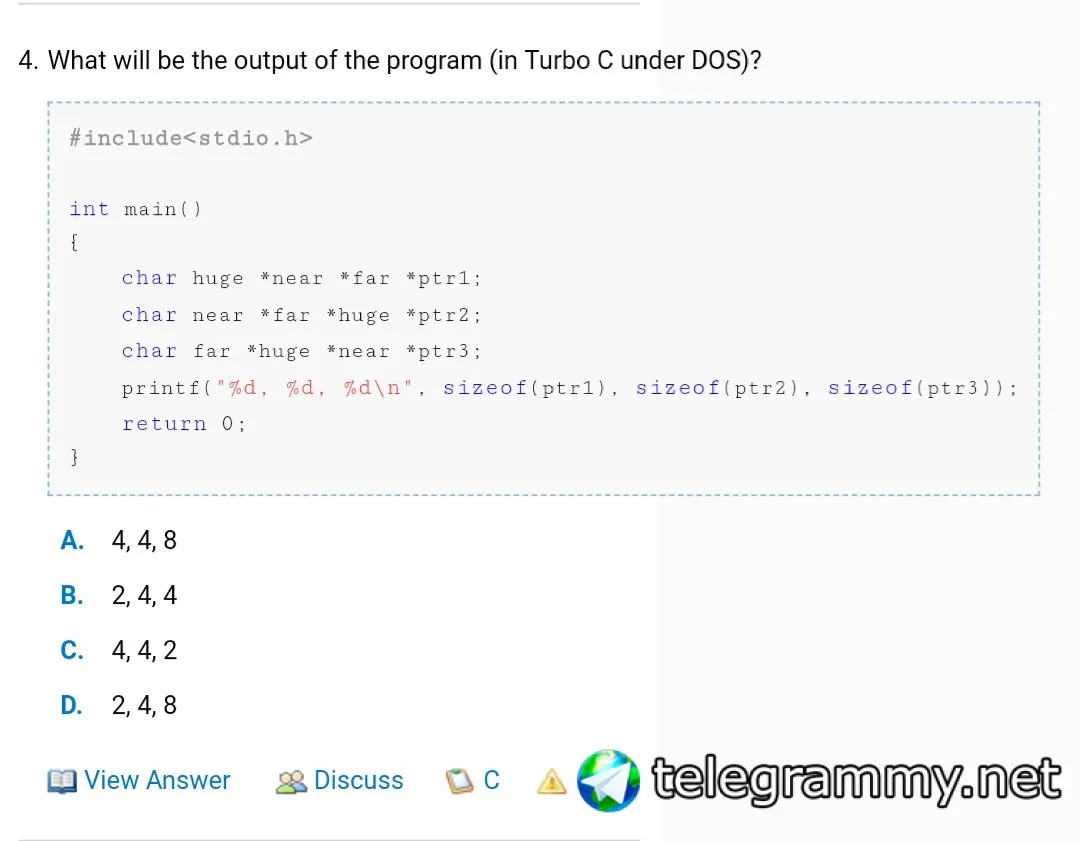
What kind of syntax is this? Declaration of something weird or many char pointer without any comma?
It clearly says Turbo C in DOS
Mat
Or you think we should know it?
Mat
@Rohan_Rathore I think you'll find this useful if you want to share code with others https://users.ece.cmu.edu/%7Eeno/coding/CCodingStandard.html
Asadbek
Hello everybody
Asadbek
I am beginner
Asadbek
I am gonna learn programming
Asadbek
Can you please help me
Asadbek
What kind of methods could you introduce?
Asadbek
Just i am going to be computer programmer
Mat
What kind of methods could you introduce?
Are you expenting us to explain to you some methods, like a lesson?