 Anonymous


so
Anonymous
that's right
 Pavel
Pavel
for ( i = 0; i >= N; i--){
No, forget about my comment, I didn't notice you loop is reversed
@unchanted
#include <iostream>
int main() {
int N;
Int max=0;
std::cin >> N;
if ( N >= 3 ){
for ( i = N; i >= 0; i--){
If(max<i){max=i;}
}
}
Cout<<max;
}
@unchanted
Like this
Pavel
@unchanted
It was just to print the maximum number isn't it?
Anonymous
Anonymous
#include <iostream>
int main() {
int N;
Int max=0;
std::cin >> N;
if ( N >= 3 ){
for ( i = N; i >= 0; i--){
If(max<i){max=i;}
}
}
Cout<<max;
}
#include <iostream>
int main() {
int N;
int max = 0;
std::cin >> N;
if ( N >= 3 ){
for ( i = N; i >= 0; i--){
If( max < i ){
max=i;
}
}
}
std::cout<<max;
}
Anonymous
#include <iostream>
int main() {
int N;
Int max=0;
std::cin >> N;
if ( N >= 3 ){
for ( i = N; i >= 0; i--){
If(max<i){max=i;}
}
}
Cout<<max;
}
clang++-7 -pthread -std=c++17 -o main main.cpp
main.cpp:9:10: error: use of undeclared identifier 'i'
for ( i = N; i >= 0; i--){
^
main.cpp:9:17: error: use of undeclared identifier 'i'
for ( i = N; i >= 0; i--){
^
main.cpp:9:25: error: use of undeclared identifier 'i'
for ( i = N; i >= 0; i--){
^
main.cpp:11:12: error: use of undeclared identifier 'i'
If( max < i ){
^
4 errors generated.
compiler exit status 1
 Artöm
Artöm
Variable i is not declared anywhere
Anonymous
i must declared i after std::cin » N;?
Anonymous
?
Anonymous
Variable i is not declared anywhere
G B, [14.07.20 18:46]
i must declared i after std::cin » N;?
Artöm
It can be declared anywhere, but its better to do it right before usage in smallest scope possible
 klimi
klimi
 Dima
Dima
#googleit
 Loner〽💻
in this code::
int filelength;
PBYTE pBuffer;
HANDLE hFile;
filelength=GetFileSize(hFile,NULL)
pBuffer=malloc (filelength+2);
Am getting an error from the last line👇👇
invalid conversion from 'void' to PBYTE {a.k.a unsigned char*}
What might be the problem??(am using c)
Dima
pBuffer = (PBYTE) malloc()
Artöm
You are copiling as C++
Artöm
Use gcc not g++
@unchanted
Use visual studio instead of visual studio code
@unchanted
I also faced the same problem
Artöm
You gave the exact message? 'void', not 'void*' ?
@unchanted
When to call an object with pointer and when to call with reference?
@unchanted
Why are there 2 separate ways?
Pavel
If you meant that, then I didn't get it :)
piggyho
pBuffer = (PBYTE) malloc()
void* malloc( std::size_t size );
https://en.cppreference.com/w/cpp/memory/c/malloc
given the above, what do you need to do?
Bojan_Krdemn
Hi! is it legitimate to declare switch as :
switch(direct){
case NORTH:
case SOUTHEAST: where dir is of type int
 Alex
Alex
hi.yes
Alex
however its not the best approach
Anonymous
When to call an object with pointer and when to call with reference?
You can't call an object
Anonymous
You can call only functions
@unchanted
Call by reference and call by pointer?
Anonymous
You
Can't
Call
An
Object
@unchanted
What is the difference between pass by reference and pass by pointer?
@unchanted
If in one case i use pass by reference and in another i use pass by pointer then how both cases are going to effect my code
 #define CLEAR_BUFFER while ( getchar ( ) != ’ \n ’ )
hello here !
#define CLEAR_BUFFER while ( getchar ( ) != ’ \n ’ )
 Dima
Dima
Bruh.
Anonymous
What is the difference between pass by reference and pass by pointer?
Pointers can be null
piggyho
When to call an object with pointer and when to call with reference?
internally a ref is actually a pointer. the implementation is hidden
refs can be easier to deal with.
piggyho
If in one case i use pass by reference and in another i use pass by pointer then how both cases are going to effect my code
the end result is that you are not making a copy of the object. ref internally are actually pointers, the compiler handles the pointer stuff
if you pass by pointer, additional checks that it is not nullptr are a good idea.
 Anmol
#define CLEAR_BUFFER while ( getchar ( ) != ’ \n ’ )
Anmol
#define CLEAR_BUFFER while ( getchar ( ) != ’ \n ’ )
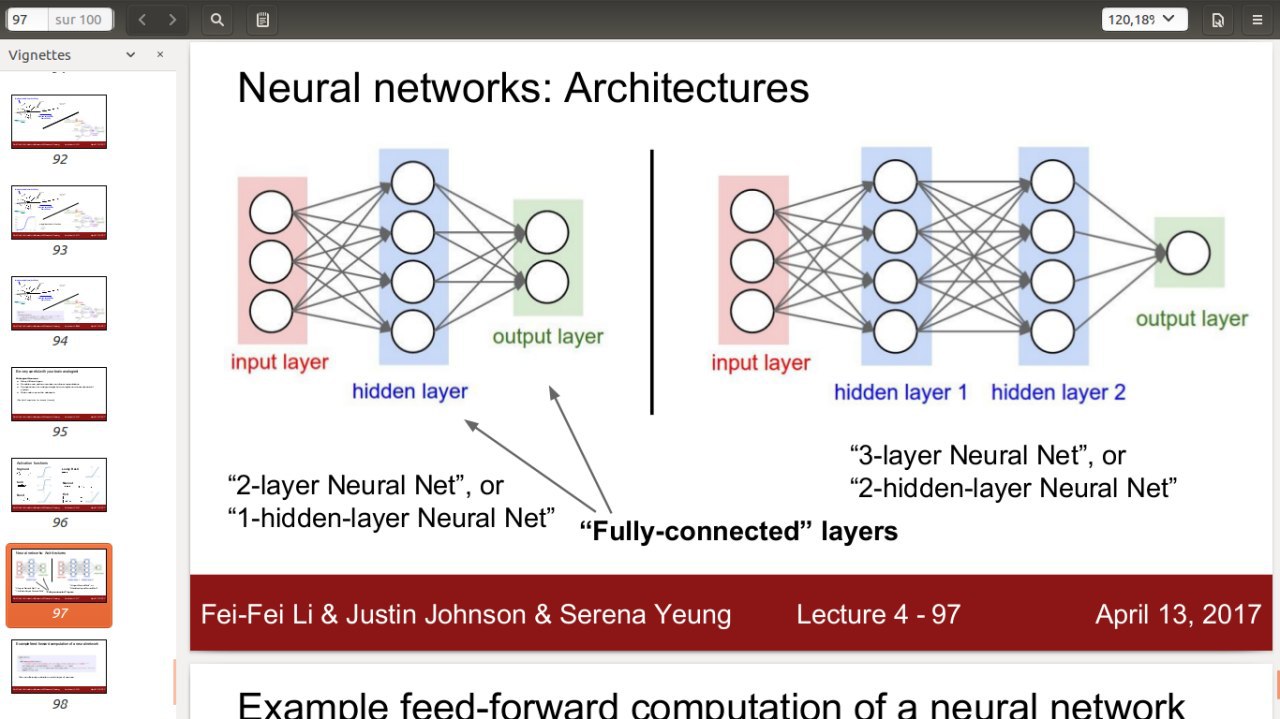
Tensorflow maybe
Not programming!
I want to draw and put it inside a powerpoint for example.
 01000001011011010100000101101110
Not programming!
I want to draw and put it inside a powerpoint for example.
Search for Tensorflow playground
And try not having offtopic discussions here.
Bojan_Krdemn
however its not the best approach
how to make better?
I need to switch between directions and iterate over directions
Bojan_Krdemn
without making a new enum class
#define CLEAR_BUFFER while ( getchar ( ) != ’ \n ’ )
Ok ! Thanks !
Bojan_Krdemn
yes, without making a class named direction and defining a ++ operator
Direction operator ++(Direction& dir, int);
Alex
just name enum where you defined NORTH, and you this enum instead of int
Bojan_Krdemn
then i won't be able to iterate over enum values
Bojan_Krdemn
``for (int dir=NORTH; dir!=EASTEAST; dir++)`
Alex
``for (int dir=NORTH; dir!=EASTEAST; dir++)`
https://stackoverflow.com/questions/15451382/implementation-of-operators-for-enum-class
数学の恋人
can someone recommend me an approach for following problem?
I have a large file in format
...
...
THE 2487241232
HAT 123891231
...
...
Basically a three lettered word and then a number next to it after one space
I want to add all those numbers.
klimi
Yeah loop through it?
数学の恋人
can someone recommend me an approach for following problem?
I have a large file in format
...
...
THE 2487241232
HAT 123891231
...
...
Basically a three lettered word and then a number next to it after one space
I want to add all those numbers.
I was thinking of reading it line by line then format it to remove alphabets and space then convert the string to number and keep on adding
klimi
klimi
Discard first and add second to the counter
数学の恋人
ah right
数学の恋人
I know that
klimi
You can somehow read a file with it too I am sure
数学の恋人
yes I can
klimi
Also I usually use pipes in linux
数学の恋人
but then I'll have to get it as string
数学の恋人
Also I usually use pipes in linux
lol same, it's far easier
In my case it'll be like
cat file.txt | cut -d' ' -f2 | paste -sd+ | bc
klimi
Yeah lol
klimi
klimi
Or maybe not... What does paste do? I havent seen that