you need to copy to each memory position once
I don't understand why. it's vector, one contiguous memory block of pod objects. should be memcpyble as I understand (even without allocation if destination vector is big enough)
 Pavel
Pavel


 BinaryByter
you want to copy one POD to multiple memory locations to have it in the vector multiple times, right?
 olli
olli
you want to copy one POD to multiple memory locations to have it in the vector multiple times, right?
pretty sure he wants to copy a vector (e.g copy construct/assign)
BinaryByter
oh
BinaryByter
you can do vector::data() and memcpy from that
BinaryByter
is that what you want?
BinaryByter
I don't really know what you want to do
Pavel
optimize that vector copying, as it looks too expensive in the profiler
BinaryByter
copying memory is not fast
 aj
aj
Can anyone help the fundamental procedures for declaring functions
olli
optimize that vector copying, as it looks too expensive in the profiler
I assume you're compiling using optimizations?
BinaryByter
if you want to speed it up a bit, use DMA
BinaryByter
will speed it up, help with heat spread and open the CPU up for something else
aj
Can anyone help the fundamental procedures for declaring functions in cpp
 Dima
Dima
why would they need help
BinaryByter
ah right, I forgot
Dima
how come it is a spam 😂 it’s just the silly question
BinaryByter
he asked it twice
Dima
well two messages aren’t spam
BinaryByter
he tries very hard asking the question
Dima
😉
BinaryByter
they are two times the same message
Pavel
I assume you're compiling using optimizations?
well, now when you said it, I looked at the flags and it seems like I'm not 😅
BinaryByter
I mean
BinaryByter
well, now when you said it, I looked at the flags and it seems like I'm not 😅
it won't help too much
olli
well, now when you said it, I looked at the flags and it seems like I'm not 😅
Profiling unoptimized code is not a good idea... :)
BinaryByter
It depends on what you want
BinaryByter
for learning its probably best
olli
well, now when you said it, I looked at the flags and it seems like I'm not 😅
In my case this will be emitted
mov rdi, r12
mov rsi, r15
mov rdx, rbx
call memcpy
BinaryByter
whats in rbx?
olli
number of bytes to copy
BinaryByter
no shit
BinaryByter
but what does the compiler generate
BinaryByter
just for curiosity, no bashing this time 😉
 Red
Red
 BinaryByter
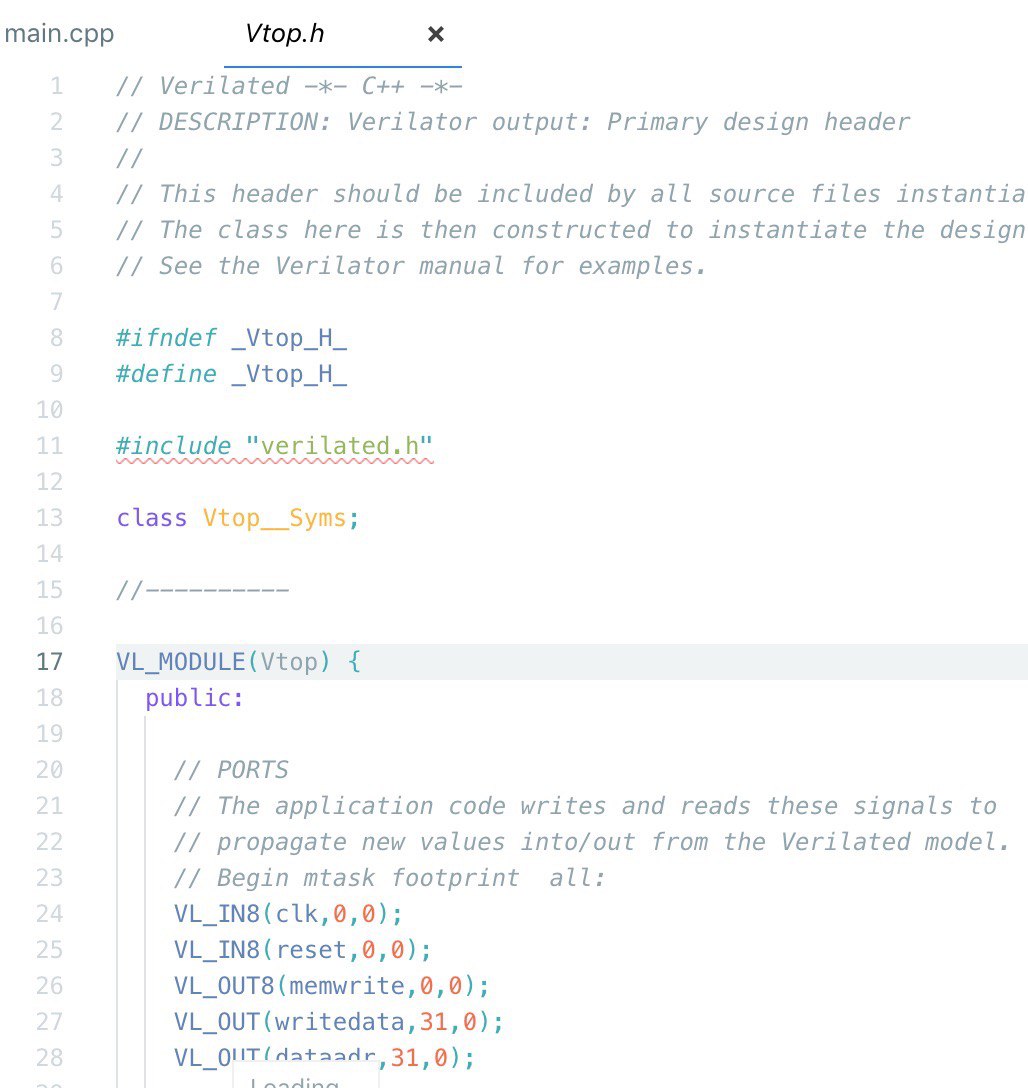
looks a lot like a macro
BinaryByter
look into "verilated.,h"
BinaryByter
you probably have a #define VL_MODULE <something>
Dima
yeah
Red
It really is!
BinaryByter
Hehe, there you have your answer 😉
Pavel
In my case this will be emitted
mov rdi, r12
mov rsi, r15
mov rdx, rbx
call memcpy
For some reason, it doesn't give me better result with -O2, but std::copy gave a huge improvement here (at least I don't see it anymore in the profiler, before that it was 11% of run time)
Pavel
thanks for the help
Red
Thanks anyways! Now it's a lot clearer!
Red
 BinaryByter
BinaryByter
BinaryByter
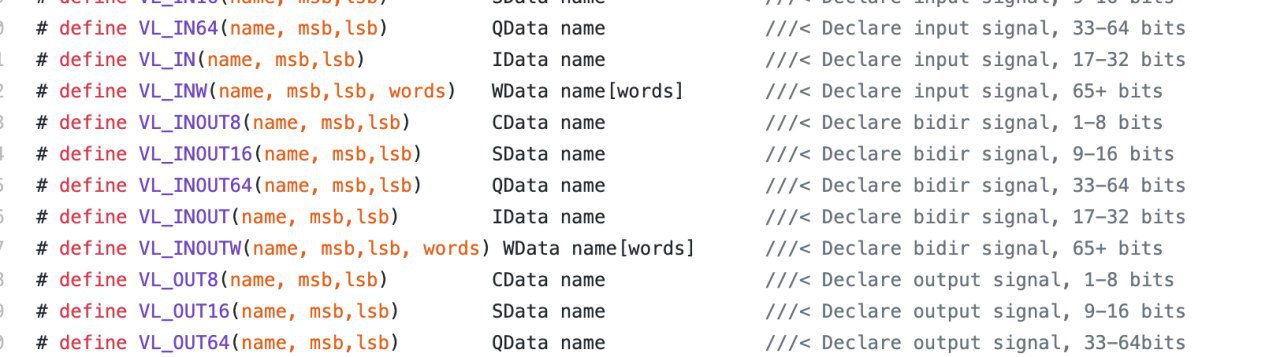
you can collapse bigger codes into just one word
Red
I get it now.. thanks a lot @BinaryByter!
BinaryByter
Sure 😊
olli
but what does the compiler generate
basically std::vector<T>::end - std::vector<T>::begin.
BinaryByter
okay
BinaryByter
thanks 😊
olli
no worries (:
Anonymous
Hi Everyone.
S.
Hi everyone, this is shubham here
Anonymous
 Anonymous
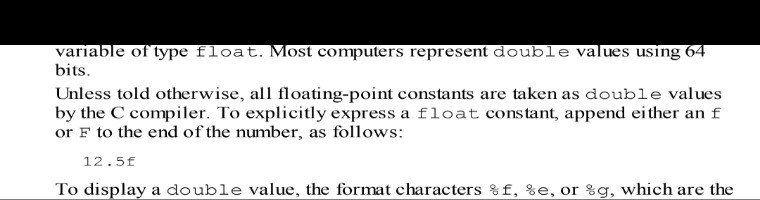
Is it so all floats are treated as double by modern compilers ?
Anonymous
And compiler
Anonymous
Try to compile a code using sizeof operator and see for yourself what's going on under the hood in a specific machine
Anonymous
/me wonders why some people typedef existing types xD
Mihail
/me wonders why some people typedef existing types xD
If you're talking about the fixed width integers then it actually makes a lot of sense
Anonymous
If you're talking about the fixed width integers then it actually makes a lot of sense
Yes. Can you elaborate ?
Mihail
Yes. Can you elaborate ?
Those typedef's are different per every platform. So a uint32_t might be a unsigned int on one platform, but an unsigned long on another. And with the fixed with integers the standard library implementors set them properly, so you can be assured that it'll be an unsigned integer type with 4bytes
Mihail
Makes your code less platform dependant
Mihail
And also easier to read imo
Mihail
https://en.cppreference.com/w/cpp/types/integer
Mihail
There you can read more about them
Anonymous
Those typedef's are different per every platform. So a uint32_t might be a unsigned int on one platform, but an unsigned long on another. And with the fixed with integers the standard library implementors set them properly, so you can be assured that it'll be an unsigned integer type with 4bytes
Okey.. so it can be a mitigation to portable fixed width integers.
 Ariana
Ariana
Ariana
Or do you have examples of cves where they just use brute force to completely break aslr, stack cookies, pie
Anonymous