 Yaroslav


а сколько у джуна на qfx/ms df election занимает для vxlan?
 Ilya
QSFP-100GBASE-LR4 юзал кто?
Ilya
Как там с теплом?
 I-One
Чо китай закроют?
хз, мне китаец обещает край за неделю заказ прислать с момента заказа, но они же мне еще по одм другое железо варганят правда
I-One
почему не LVM ?
патамушта) а вообще тоже ткнул в кьюкау2 бо квм это куему по факту, а это его "родной" формат, лвм вообще не в тему, а с рав не получишь производительности уровня кьюкау2
 Н Е К И Б Е Р Л Е О
хз, мне китаец обещает край за неделю заказ прислать с момента заказа, но они же мне еще по одм другое железо варганят правда
У меня ща две посылки на экспорт в страну назначения прыгнули
 vitex
лол
vitex
это не значит что они улетели
vitex
это значит что они прошли очистку таможенную там
Н Е К И Б Е Р Л Е О
Базара ноль
Н Е К И Б Е Р Л Е О
Но имхо доедет
Ilya
Любителям EVPN - hub and spoke
https://tools.ietf.org/html/draft-keyupate-bess-evpn-virtual-hub-02
 Vladimir
Ilya
BIER!
 Volodymyr
https://www.reuters.com/article/us-huawei-tech-china-usa/trump-signs-law-to-prevent-u-s-rural-telecom-carriers-from-using-huawei-network-equipment-idUSKBN20Z375
Roman
Как дела токсиканы?
Дамир
Своп отменяется, вместо этого будем жарить гречку на мангале
Roman
Roman
Лучшее оборудование в мире
 Alexander
а сколько у джуна на qfx/ms df election занимает для vxlan?
как только обнаружит падение линка в сегмент
Alexander
дальше в зависимости от чипа наверное пока это все в хардваре поменяется
Yaroslav
как только обнаружит падение линка в сегмент
перевыборы есть? у них какоето регламентируемое время там не больше 5 секунд или там мнгновенно перевыборы
Alexander
перевыборы есть? у них какоето регламентируемое время там не больше 5 секунд или там мнгновенно перевыборы
ну у циски сколько ты можешь сказать в vPC?
Yaroslav
если роль меняется второй просто подхватывает, а в мультихоминге может быть 4 железки например
Yaroslav
там по идее логика таймаута даолжна быть да
Alexander
если роль меняется второй просто подхватывает, а в мультихоминге может быть 4 железки например
есть, для бума тоже только 1 лиф из пары декапсулирует
Alexander
и для этого трафика там есть таймаут
vitex
дальше в зависимости от чипа наверное пока это все в хардваре поменяется
с каких пор контролплейн евпн в чипы переехал?
Yaroslav
есть, для бума тоже только 1 лиф из пары декапсулирует
для трафика есть даунтайм но сигнализации нет, декапсулирует примари, если секондари потерял примари он тут же начинает декапсулировать
Ilya
Ilya
есть
Ilya
pathfinder
Yaroslav
ниссан?
Ilya
это гдето написано? есть ссыль?
DF Election Procedure
The default procedure for DF election at the granularity of the ESI and EVI is referred to as service carving. With service carving, it is possible to elect multiple DFs per Ethernet segment (one per EVI) in order to perform load-balancing of multidestination traffic destined for a given Ethernet segment. The load-balancing procedures carve up the EVI space among the PE nodes evenly, in such a way that every PE is the DF for a disjoint set of EVIs.
The procedure for service carving is as follows:
When a PE router discovers the ESI of the attached Ethernet segment, it advertises an autodiscovery route per Ethernet segment with the associated ES-import extended community attribute.
The PE router then starts a timer (default value of 3 seconds) to allow the reception of the autodiscovery routes from other PE nodes connected to the same Ethernet segment. This timer value must be the same across all the PE routers connected to the same Ethernet segment.
The default wait timer can be overwritten using the designated-forwarder-election hold-time configuration statement.
When the timer expires, each PE router builds an ordered list of the IP addresses of all the PE nodes connected to the Ethernet segment (including itself), in increasing numeric order. Every PE router is then given an ordinal indicating its position in the ordered list, starting with 0 as the ordinal for the PE with the numerically lowest IP address. The ordinals are used to determine which PE node is the DF for a given EVI on the Ethernet segment.
The PE router that is elected as the DF for a given EVI unblocks traffic for the Ethernet tags associated with that EVI. The DF PE unblocks multidestination traffic in the egress direction toward the Ethernet segment. All the non-DF PE routers continue to drop multidestination traffic (for the associated EVIs) in the egress direction toward the Ethernet segment.
Yaroslav
это из rfc не?
Ilya
это из rfc не?
https://www.juniper.net/documentation/en_US/junos/topics/concept/evpn-bgp-multihoming-overview.html
Yaroslav
DF Election as Per RFC 7432
Yaroslav
текстовка похожая
Yaroslav
ну вообщем понятно
Ilya
да, в RFC тоже есть
Yaroslav
пасиб
Ilya
;) ;)
Yaroslav
Что циска говно и делает все не по рфц?
ммм ну rfc написано под mpls, поэтому соотенесение не явное
Yaroslav
по хорошему df для vxlan должен быть отдельно
Yaroslav
фактически можно сказать что стандартом не регламентируется но самый близкий rfc 7432 - берем логику оттдуа
Ilya
фактически можно сказать что стандартом не регламентируется но самый близкий rfc 7432 - берем логику оттдуа
Они там в джуне опять чего-то добавили по ссылке, надо будет перечитать
Yaroslav
Они там в джуне опять чего-то добавили по ссылке, надо будет перечитать
ты запоминаешь дату апдейта? 5-Dec-19 ))
 Dmitry
Это не zr)
Yaroslav
Богатый какой
Ilya
Много ) норм с теплом. 36 в одном юните вполне себе живут
Были ли какие проблемы из-за качества волокна?
Dmitry
Ну и производители весьма отличаются
Dmitry
На коротких линках незаметно особо
Ilya
fs.com?)
Ilya
Мне между залами надо, там всего 500м
Dmitry
Желательно
Dmitry
А то иногда филды в ДЦ при виде файберскопа делают круглые глаза )
Н Е К И Б Е Р Л Е О
народ, а где такое взять?
Н Е К И Б Е Р Л Е О
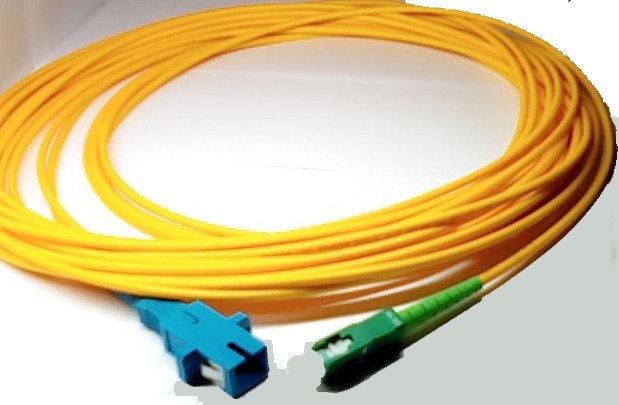
 Andrey
Н Е К И Б Е Р Л Е О
ну так не прокатит мне б удлинитель
Н Е К И Б Е Р Л Е О
но влез в щиток
Н Е К И Б Е Р Л Е О
и увидел что запас оставили на пару квартир
Yaroslav
Ого оптический пачкорд